
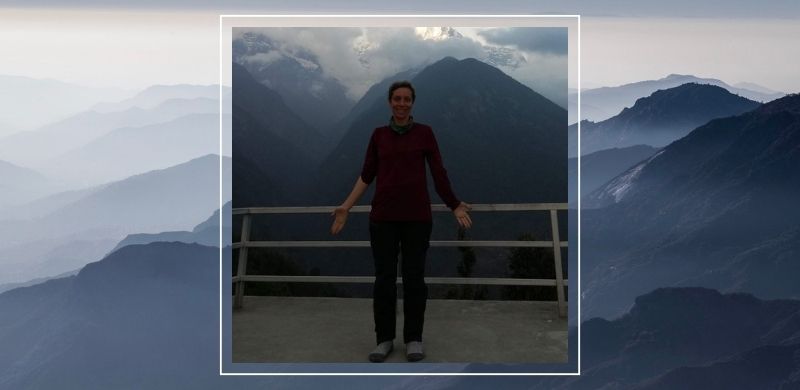
Have you ever looked at mountains and felt how majestic, grounded, and unshakable they are, and wished you could carry that same strength into your own life?
In yoga, Tadasana, also known as Mountain Pose, is exactly that invitation. It helps us build our inner mountain, steady, calm, and strong enough to face even the toughest challenges.
When we stand correctly, our body almost seems to smile back at us. The mind becomes calmer, the nervous system settles, and we feel more confident and present. In the following sections, we’ll explore what proper standing really means, why it matters, and how a few small adjustments can create a big shift in how we feel, both inside and out.
Why Is Proper Standing So Important?
Before anything else, it helps to know this. Standing correctly is like the foundation of a house. If the foundation isn’t solid, even the most beautiful walls will eventually tilt and crack.
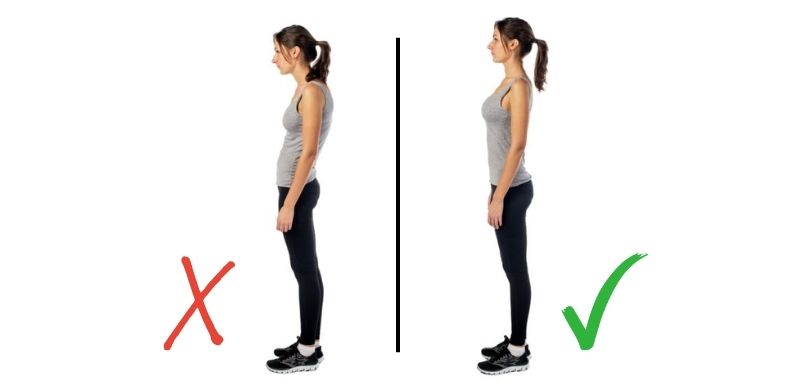
When we stand incorrectly, unnecessary pressure builds up in the spine, the back muscles, the shoulders, and especially the neck. Over time, this can lead to chronic pain, most commonly in the lower back and neck.
But when we stand properly, our muscles work the way they are meant to, unnecessary tension melts away, and the body finds a more natural and comfortable alignment.
Proper standing also affects our emotional state. When the body is aligned and supported, it sends a positive signal to the brain. Confidence grows quietly. Our posture changes, and over time, that shift shows up in how we move, speak, and connect with others.
Techniques for Proper Standing
In yoga, Tadasana (Mountain Pose) is one of the most fundamental standing postures.
In Sanskrit, tāda means mountain and āsana means posture. The goal of Tadasana is simple but deep: to align the body in one steady vertical line—just like a mountain.
Let’s break it down step by step.
1. The Feet: Our Foundation
One of the most important elements of Tadasana is how our feet meet the ground. Our feet should feel grounded, wide, and evenly spread.
We want to distribute our weight evenly across four main points of each foot:
- The base of the big toe
- The base of the little toe
- The outer edge of the heel
- The inner edge of the heel
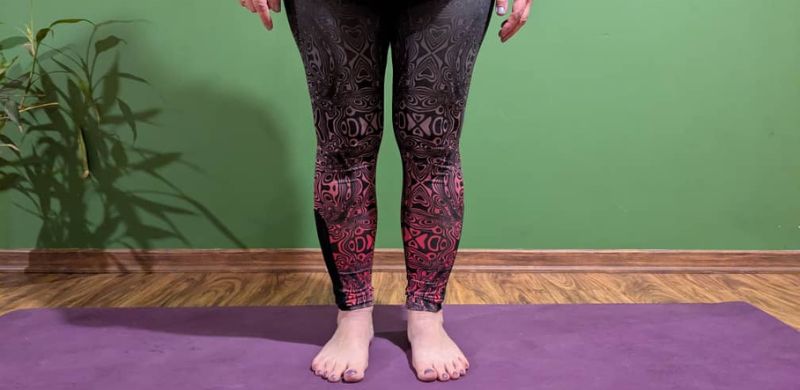
A helpful practice is to lift your toes off the floor, spread them apart, and then gently place them back down one by one, starting from the little toe and ending with the big toe. This helps the sole of the foot widen and increases its connection with the ground.
2. Activating the Legs: Calves and Thighs
Once the feet feel grounded, we gently lift the arches and activate the quadriceps, the front thigh muscles.
When these muscles engage, pressure is taken off the knees.
To feel this activation more clearly, you can place a cushion or a yoga block between your thighs and gently squeeze it. As the quadriceps engage, balance improves and the body often feels taller. I have personally noticed up to a 1.5 cm increase in standing height just from proper alignment.
3. Core Engagement and Lifting the Body Up
Next, we gently activate the abdominal muscles. This helps lift part of the body’s weight upward instead of letting it sink into the legs.
As we lift against gravity, the body feels lighter, like a mountain rooted deeply in the earth while rising toward the sky. Keep the neck long and avoid pushing the head forward. The crown of the head gently lifts upward, creating length through the spine.
4. Shoulders and Arms
Let the shoulders soften and move away from the ears.
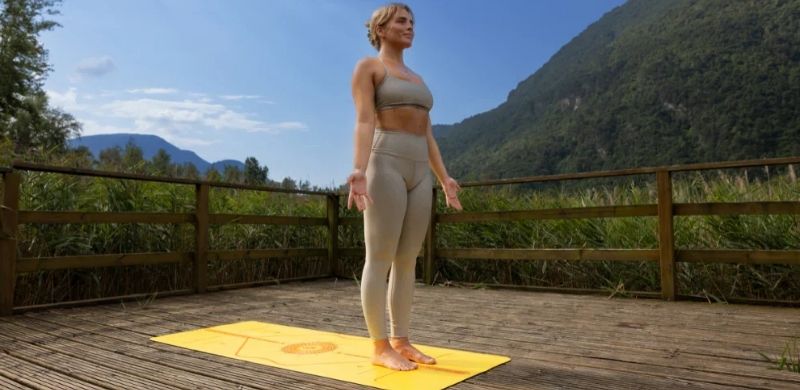
The arms rest naturally by the sides of the body, with palms facing forward or inward. This relaxed position allows energy to flow freely and helps the body feel open rather than tense.
5. The Tailbone
Even though we have moved upward through the body, the tailbone still plays a key role.
By gently directing the tailbone downward, we prevent excessive arching in the lower back and help the spine stay long and neutral.
6. Attention to Details
The feet should be about hip width apart, with the inner edges parallel.
If you have bow legs or knock knees, awareness becomes especially important. For example:
- Bow legs often carry more weight on the outer edges of the feet
- Knock knees often carry more weight on the inner edges
By noticing this and consciously redistributing weight, we can improve balance and help prevent further structural stress over time.
7. Standing Like a Mountain
So what happens when we bring all of this awareness into the body, from the toes all the way up to the crown of the head?
Our standing becomes steady and grounded, like a mountain. Balance feels natural. We are not swaying left or right. This awareness brings us into the present moment, and it is almost as if we catch ourselves smiling gently at our inner mountain, strong, rooted, and calm.
Benefits of Standing Correctly
With a clearer understanding of proper standing, let’s explore its benefits:
- Greater presence: When we stand mindfully, we feel more connected to our body. Connection with the body brings us into the present moment.
- Awareness of unhealthy habits: Proper standing helps us notice patterns that may be harming our body, giving us a chance to change them.
- Balanced weight distribution: Even weight prevents unnecessary pressure on one side of the body and reduces strain.
- Less pressure on the knees: When muscles support the body correctly, joints are protected from long term stress.
- Better movement overall: Walking, running, and standing postures all become smoother and safer when alignment improves.
Summary
Now that we have explored proper standing, let’s pause for a moment and reflect.
What score would you give yourself for standing correctly?
From 0 to 100, how much attention have you been giving your posture so far?
Let’s start today. Let’s practice standing correctly and bring more awareness into our body, whether we are waiting in line, working, or simply standing still.
With more awareness and growing confidence each day, we stand rooted, calm, and strong, like a mountain, with a smile
FAQ
Does Tadasana require practice?
Yes. The more we practice, the more natural proper standing becomes, and the stronger and more balanced we feel.
How can we use Tadasana in daily life?
Anytime we are standing, at work, while waiting, or even brushing our teeth, we can apply these principles.
What are the main benefits of standing correctly?
Better balance, less chronic pain, increased confidence, and healthier joints.
Your email address will not be published. Required fields are marked *
Comment Remaining characters: 300