
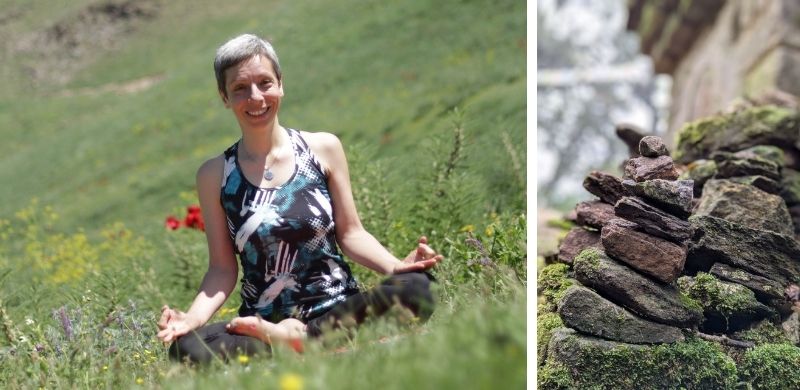
There are moments in the middle of a conversation, an important decision, or even just a hectic day when it suddenly feels like your mind is racing ahead of you. Or maybe you’ve said something and immediately thought, “Oh no… I should’ve paused for a second.”
That’s exactly where the power of pause steps in, something that seems simple, but can genuinely transform the quality of our lives.
When we pause, we shift into the state of being an observer. It’s like taking one small step back from ourselves and simply watching our emotions instead of getting swept away by them. This outside perspective helps us understand what’s really happening inside, without judgment, without rushing, without reacting.
Just a few seconds of pausing and observing can make our choices calmer, clearer, and far more intentional. Stick with us as we explore this practical and surprisingly powerful skill.
Pause: A Return to the Present Moment
Most of us aren’t fully living in the present. We’re stuck replaying the past or constantly trying to predict the future.The power of pause pulls us back into the “now.” And in that moment, something important happens, we step into observation mode.
Imagine you’re rushing from home to work. A thousand thoughts are racing through your mind, what tasks are waiting for you, you’d love to go for an interview but you’re scared, what to cook for dinner, what to buy… Then suddenly, in the middle of the street, a glance, a scent, an image, a sound becomes your point of pause. All of a sudden, you notice the environment around you: the people nearby, the colors and shapes of the trees, the sky, the earth, the light filtering through the branches.
Slowly, a smile tugs at the corner of your eyes, you become aware of the palms of your hands, the weight in your feet, you straighten your back, and suddenly, with the help of the pause, you find a way to step away from the rush of the outside world and your busy thoughts, grounding yourself in the present moment. Your breaths become more noticeable, and the rhythm of your breathing flows with the moment. Everything seems brighter, because thoughts no longer cloud your vision, your hearing, or your touch.
Pause in Relationships: When Observing Saves the Connection
We’ve all been there. In the heat of an argument or over a tiny misunderstanding, things spiral way out of proportion simply because we didn’t pause for a few seconds.But when we stop, even for a breath, and look at the situation from the outside, everything shifts. We prevent a small issue from turning into a huge fight.
Observation is like this: instead of being the actor on stage, we briefly step into the audience and watch the scene from a distance. With this perspective, our reactions become clearer. Events show their true colors, and most importantly, we can tell whether we’re dealing with an emotion or a deeper feeling.
Here’s a small distinction:
Feelings are softer and gentler: things like sadness, calmness, a sense of disappointment, or contentment.
Emotions are quick, often unconscious or semi-conscious, and usually come with noticeable physical changes in our bodies: like a racing heart or faster breathing. Emotions are things like anger, fear, shock, excitement, or momentary anxiety.
When we pause, we give ourselves the chance to figure out what we’re really dealing with. By taking a moment to observe ourselves, we realize that many of our sudden reactions are driven by temporary emoions, and with this insight, we can reduce the intensity of our reactions.
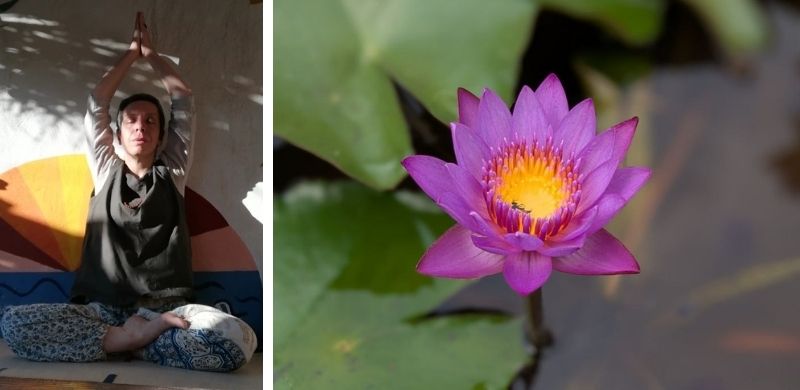
When we pause, we can actually observe what’s happening inside us. Maybe we think we’re angry, but if we look closer, we might see something else underneath, worry, loneliness, feeling unseen, or even plain exhaustion.
Sometimes the best thing we can do is simply look…
Not fight.
Not defend.
Not over-explain.
These small pauses make relationships softer and safer. They help us hear the other person more clearly and stop us from saying things we’ll regret later.
Pause in Decision-Making: Seeing What’s Behind the Mind
Decision-making is one of the places where pausing has the biggest impact.
When our level of emotional intensity rises, our logical mind steps back. That’s when we make impulsive purchases, reply sharply, rush into choices, or do things we regret the next day.
A simple pause helps us ask:
- Is this reaction coming from an emotion or a true feeling?
- Is this choice born from fear or awareness?
- Am I saying this because I mean it or because the moment is pressuring me?
With just a few seconds of non-judgmental observing, our decisions become more mature. Deep feelings stop mixing with temporary emotions.
A Few Seconds of Pause in Work and Daily Life: Multiply Your Clarity
So often at work, our minds are racing while our quality drops.
This is where pausing feels almost magical.
When we stop for a moment and look at our work from the outside, we spot mistakes earlier, our focus returns, and our mind gets a small but refreshing reset.

Honestly, sometimes five minutes of tea and staring out the window are more productive than an hour of nonstop effort.
These tiny pauses are like hitting the restart button on a frozen laptop, simple, quick, and incredibly effective.
How to Bring the Power of Pause Into Daily Life
To see how pause can reshape everyday moments, let’s explore a few simple practices that help us slowly build this skill into different parts of our life:
1. The Three-Second Pause
One of the easiest exercises is a three-second pause paired with a conscious breath.
Before reacting, breathe slowly for three seconds and simply observe yourself.
This spotlight helps reveal what’s truly happening inside.
2. Physical Pause: Observing the Body
Our bodies react before our minds do.
Butterflies in the stomach, tight chest, clenched shoulders, or a racing heart, these are all messages.
If we pause and observe these sensations, their intensity naturally decreases.
3. Emotional Pause: Watching the Layer Beneath
Sometimes we need to pause emotionally to ask ourselves:
“What exactly am I feeling right now? Is this just a sudden emotional state or a real, deeper feeling?”
Naming what we feel instantly reduces its power and makes it easier to navigate.
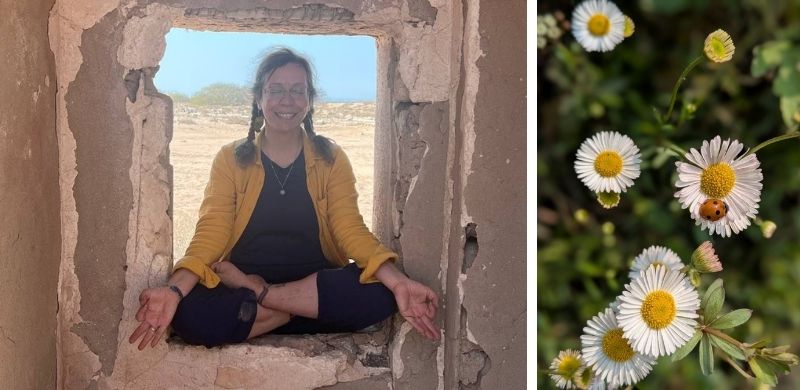
4. Time Pause
There are moments when we don’t know what to say or what decision to make.
The simplest and wisest response is:
“Let me think about it for a moment.”
It’s polite, grounding, and gives us space to observe and analyze without pressure.
5. Pausing Through Daily Moments
When we walk from one room to another, before closing the laptop, or right before sending a message, we can pause for just three seconds.
These tiny stops pull us out of autopilot and help us reset. Over time, they become part of who we are, a natural, grounded rhythm in our daily life.
Conclusion
The power of pause isn’t complicated or mystical. It’s a simple skill that, once woven into our lives, improves our communication, decisions, work quality, and mental peace.
Pause pulls us out of automatic reactions and into conscious observation.A space where we can separate fleeting emotions from real feelings and make choices we truly believe in.
Every time we pause before reacting, we give ourselves the chance to respond with clarity, calmness, and maturity.
Little by little, this skill shapes a healthier, more mindful, and more intentional version of us.
FAQ
Does pausing make me seem cold or emotionless?
Not at all. Pausing actually makes your reactions more thoughtful and respectful. Observing the moment before responding isn’t indifference, it’s emotional maturity.
Is a three-second pause really enough?
Yes. Even 3–5 seconds can completely shift the tone of a conversation or behavior. Over time, these pauses become deeper and more natural.
How do I know if what I’m feeling is an emotion or a true feeling?
Emotions are quick and intense; Feelings are deeper and more steady. When you pause and observe yourself from the outside, the difference becomes much easier to notice.



Your email address will not be published. Required fields are marked *
Comment Remaining characters: 300