These days, with social media and the growing trend of yoga, it’s hard to find someone who hasn’t at least heard of it. But sometimes this quick kind of exposure actually takes us further away from understanding its real depth. Here, we’ve tried to explain the basics in a simple, gentle way so you can connect with this lifelong companion on a deeper level.
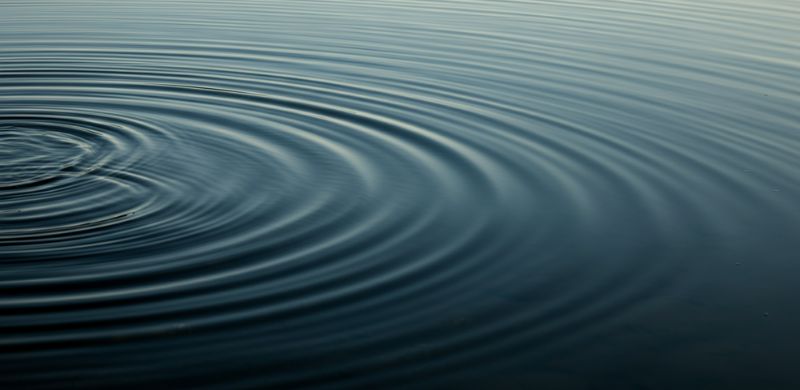
Imagine sitting by a quiet lake. You pick up a small stone and drop it into the water. Ripples start to form, getting wider and wider until they slowly fade and the lake becomes still again. That’s exactly what yoga does for our lives. When worries, thoughts, and mental noise hit the surface of our mind, yoga stops the waves from growing bigger and crashing into each other. Instead, it helps those circles soften, expand calmly, and eventually settle into peace.
Sure, yoga includes unusual poses and sometimes even standing on your head — but that’s not the whole story. Yoga is truly a way of living, a philosophy that helps us reach balance by blending movement, breath, and awareness in a mindful, observant way. At its core, yoga is about witnessing. Alongside that, it’s physical, it’s practical, and it offers meaningful tools for creating a richer, more intentional life.
For many people, yoga starts as a way to build strength or increase flexibility. But for some, it gradually becomes something much deeper — a way of living. Yoga teaches us to step back, observe without judgment, and let its lessons flow into our body, breath, mind, and daily life. And slowly, we begin to witness changes that bring new light and color to our days.
In today’s noisy and fast-paced world, yoga matters more than ever. It creates space for relief from stress, offers companionship for renewing the mind, and reconnects us with our body. Whether you step into yoga for fitness or for inner peace, it gently reminds you — through presence and awareness — that well-being begins from within..
The Origins of Yoga
The story of yoga goes back thousands of years. Its origins lie in the northwest of India and parts of Pakistan, along the banks of the Indus River. Cave paintings found in this region depict early forms of yoga postures. The first written evidence dates back to around 3300–1800 BCE, but there are signs suggesting that yoga may have existed as far back as 6500 BCE.
In the Yoga Sutras of Patanjali, eight branches of yoga are outlined, including ethical living, breathwork, meditation, and asanas. Patanjali—often called the father of yoga—believed that yoga was a path to enlightenment. In his 196 sutras, he described the path of Raja Yoga, which we now know as classical yoga. The goal wasn’t simply physical strength or flexibility but freedom from suffering and a harmonious, peaceful life.
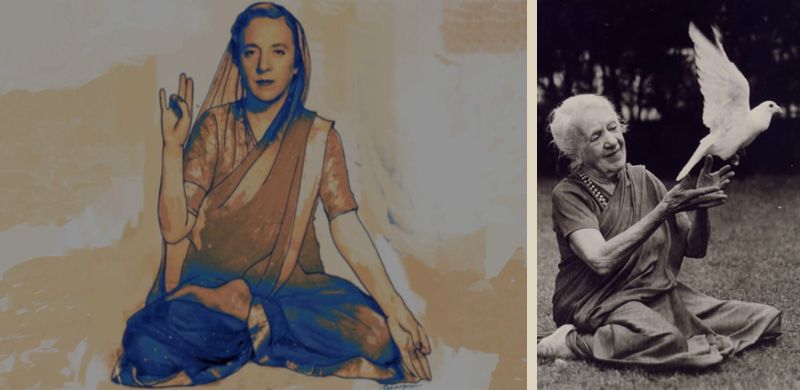
Over time, yoga traveled across the world. One of the key figures in this journey was Indra Devi, a student of the yoga tradition in India. She moved to the United States and, in 1947, opened the first yoga school in Hollywood. As yoga spread through the West, it adapted to new cultures and evolved into the modern forms we now see in gyms, wellness centers, and even homes. While its outer appearance may have changed, its core purpose—cultivating harmony and presence—has remained intact.
The word yoga comes from the Sanskrit root yuj, meaning “to unite” or “to join.” This union isn’t just about connecting body and breath; it refers to uniting the self with something greater—whether that’s inner wisdom, nature, or a higher wholeness.
The Many Paths of Yoga: More Than Just Poses
Yoga has never been one-size-fits-all. Over the centuries, different paths emerged, each tailored to unique personalities and ways of approaching life. Some are rooted in action, others in love, and some in wisdom.
- Karma Yoga, the path of selfless action, is about serving others and performing your duties sincerely without clinging to the outcome. A simple act of kindness, done without expectation, becomes yoga in motion.
- Bhakti Yoga, the path of devotion, flows through love and surrender. It is practiced through chanting, prayer, or gratitude—anything that opens the heart and cultivates connection.
- Raja Yoga, focuses on meditation and the mind, guiding practitioners toward inner tranquility and control of thought.
- Gnana Yoga, the path of wisdom, invites reflection and inquiry. By asking deep questions—Who am I? What is truth?—this path clears away illusions and reveals clarity.
These four core paths show that yoga is more than physical practice; it can be lived through action, love, or thought, depending on what resonates most with you.
The Core Elements That Make Up Yoga Practice
Across all styles, certain elements form the backbone of yoga. These practices blend physical movement with breath, mindfulness, and energy, creating a holistic experience.
Asanas
Asanas are the poses you see in most yoga classes. They strengthen muscles, release tension, and improve balance—all while preparing the body for stillness.
Pranayama
Pranayama teaches controlled breathing. By guiding the breath, practitioners restore energy, calm the mind, and connect the body with spirit.
Meditation
Meditation helps the mind slow down. It cultivates awareness, clarity, and peace, turning simple moments into opportunities for presence.
Mudras and mantras
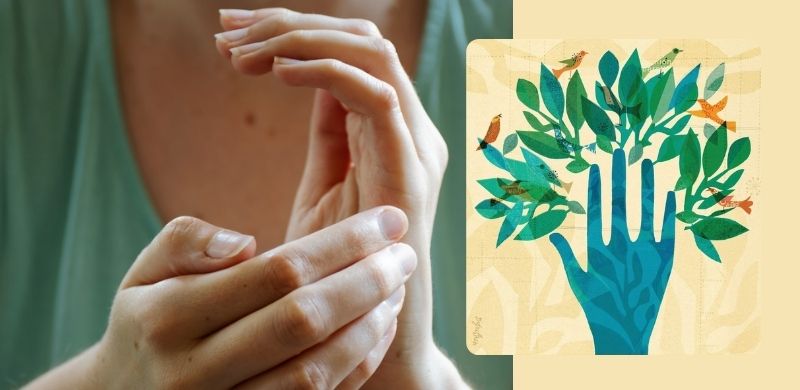
Mudras—symbolic hand gestures—and mantras—repeated sounds—add depth to practice. They channel focus, elevate mood, and shift energy.
The role of relaxation and mindfulness
Relaxation is essential. Poses like Savasana at the end of class allow the body to absorb the benefits. Mindfulness, meanwhile, turns everyday activities into a quiet form of yoga.
Different Styles of yoga: Finding Your Fit
Modern yoga comes in many styles, each offering a unique flavor. Gentle yoga is soft and accessible, perfect for beginners or those seeking rest. Vinyasa and power yoga create dynamic flow, bringing energy, heat, and stamina. Yin and restorative yoga encourage deep rest, holding poses longer to release tension in body and mind.
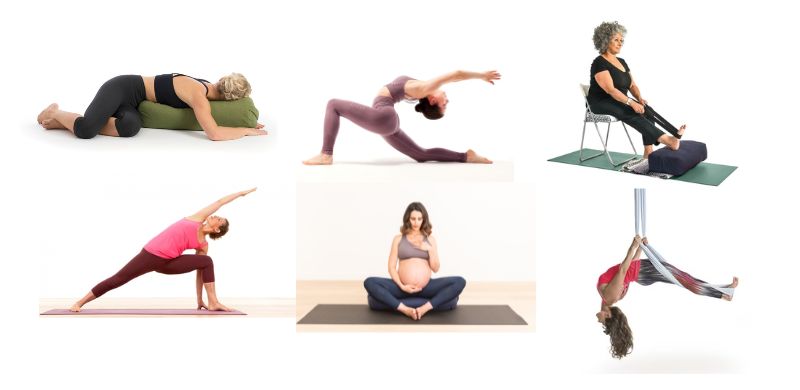
There are also specialized styles for specific needs: prenatal yoga supports expectant mothers, chair yoga makes the practice accessible for seniors or those with limited mobility, and aerial yoga brings a playful twist. Whatever your personality, schedule, or physical ability, there’s a style that feels like home.
Common Myths and Misconceptions About Yoga
Despite its popularity, yoga still carries misconceptions that can keep people from trying it. Let’s clear a few of them up.
“You have to be flexible to do yoga”
One of the biggest myths out there! Flexibility is something you gain through practice, not a requirement to begin. Yoga meets you where you are, whether you can touch your toes or not.
“Yoga is only for women”
Yoga is for everyone—men, women, kids, seniors. In fact, many of the earliest yogis were men. Today, people of all ages and backgrounds practice yoga around the world.
“Yoga belongs to a single religion”
While yoga has deep roots in Indian philosophy, it isn’t tied to one religion. It’s a universal practice that anyone can explore—spiritual, secular, or somewhere in between.
Tips for Starting Your Own Yoga Journey
Starting yoga doesn’t have to feel intimidating. The key is to keep it simple. Find a class or teacher who makes you feel safe and supported, and don’t be afraid to explore different styles until you find what fits.
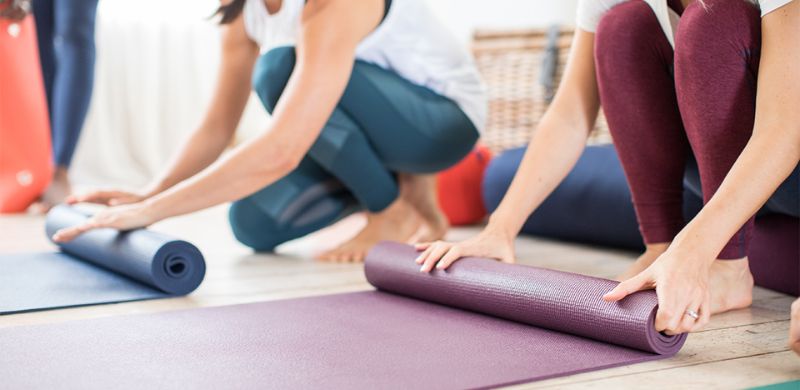
Forget about fancy equipment. Comfortable clothes and a bit of space are enough to begin. Instead of rigid goals, set gentle intentions—like feeling calmer, stronger, or more present. Progress may feel slow at first, but consistency is where the magic happens. With time, small steps add up to big shifts.
Conclusion: Yoga as a Lifelong Companion
Yoga isn’t about nailing the perfect pose—it’s about showing up, taking a deep breath, and being present with yourself. Think of it as a gentle friend that brings balance, clarity, and connection whenever you need it. Whether you’re stepping on the mat for the very first time or coming back after a long pause, yoga has a way of welcoming you back without judgment. All it asks is that you breathe, begin, and let the journey unfold.
FAQ
What is the meaning of yoga?
The word yoga comes from Sanskrit yuj, meaning “to unite.” It’s about joining body, mind, and spirit into harmony.
What is the main purpose of yoga?
Yoga aims to create balance—physically, mentally, and emotionally. It’s not just about poses but about harmony and connection.
Can I practice yoga if I’m not flexible?
Yes! Flexibility comes with practice. Yoga is for every body, and even simple poses can bring benefits.
Your email address will not be published. Required fields are marked *
Comment Remaining characters: 300